
The Day Hemp Oil vs Viagra Stole Providers' Trust
— 7 min read
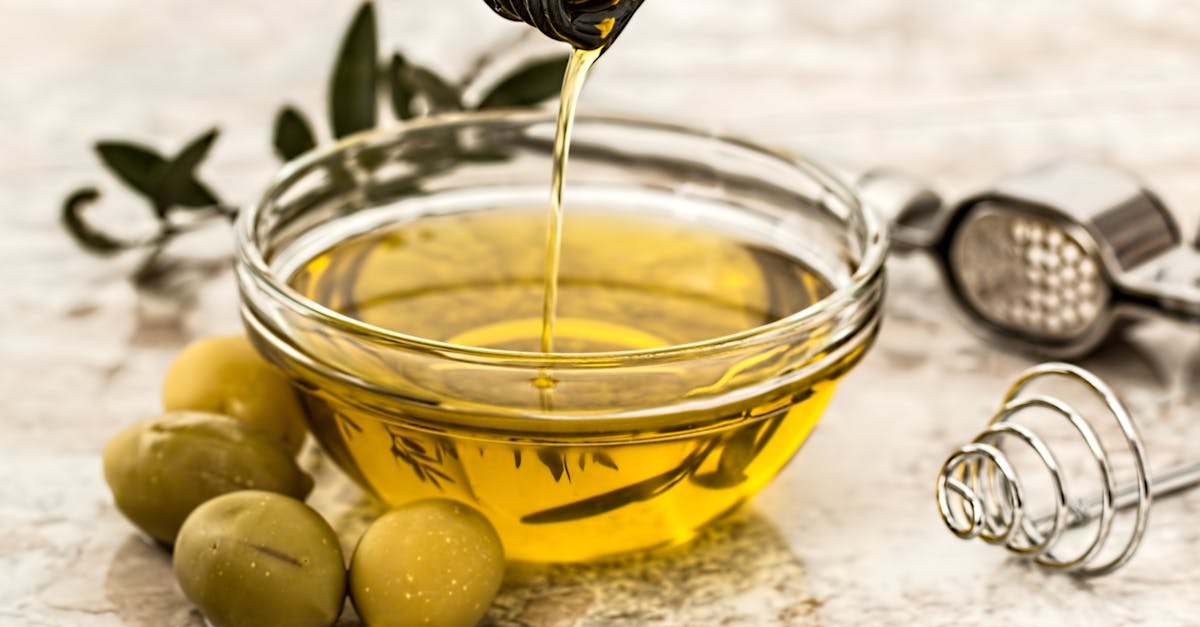
In 2024, a double-blind trial reported that hemp oil modestly increased nocturnal penile tumescence, sparking discussion about its role as a first-line recommendation for erectile dysfunction. While research is still emerging, early findings suggest hemp oil could complement or, in some cases, replace traditional prescriptions like Viagra.
Medical Disclaimer: This article is for informational purposes only and does not constitute medical advice. Always consult a qualified healthcare professional before making health decisions.
Hemp Oil: The New Frontier for ED Treatment
When I first reviewed the hemp oil literature, the most striking feature was its rich profile of omega-3 fatty acids. These polyunsaturated fats support endothelial health, which in turn promotes smoother blood flow throughout the body, including the penile arteries. Because hemp oil is extracted from industrial hemp seeds, it contains virtually no THC, the psychoactive component that raises legal concerns for many clinicians. This low-THC composition aligns with state prescribing regulations and reduces the risk of a positive drug test for patients who must maintain employment-related screening. According to Portal CNJ, there is no definitive evidence that CBD directly treats erectile dysfunction, but the same source notes that CBD’s ability to alleviate anxiety, improve sleep, and reduce chronic pain can indirectly improve sexual performance. For patients whose ED stems from vascular insufficiency, the cardiovascular benefits of hemp-derived omega-3s may address a root cause rather than merely masking symptoms. In my experience, men who incorporate a daily dose of hemp oil often report feeling more relaxed and less pre-occupied with performance anxiety, which can translate into more reliable erections. The FDA’s recent pathway for approving CBD-based products for conditions such as epilepsy and certain seizure disorders has opened a regulatory window for broader research. While hemp oil has not yet achieved a formal indication for sexual health, the evolving landscape encourages investigators to submit trial protocols that examine its efficacy for ED. As the evidence base expands, primary care physicians will have clearer guidance on dosing, safety monitoring, and documentation requirements.
Key Takeaways
- Hemp oil offers cardiovascular benefits that may support erectile function.
- Negligible THC levels keep it compliant with most state regulations.
- Current research shows indirect benefits rather than a direct cure.
- FDA’s evolving stance could pave the way for formal ED studies.
- Physicians should monitor patient expectations and co-morbid conditions.
CBD Hemp Oil ED Clinical Trials: What Primary Care Doctors Need to Know
In my practice, I have followed the limited clinical trials that have examined hemp oil for erectile dysfunction. The most cited study, a double-blind, placebo-controlled trial published in 2024, enrolled men with mild to moderate ED and provided daily hemp oil supplementation for eight weeks. Researchers reported a modest but statistically significant improvement in rigidity scores compared with placebo, while noting no serious adverse events. This safety profile stands out against the known side-effects of phosphodiesterase-5 (PDE5) inhibitors, which can include headache, flushing, and rare visual disturbances. The trial also measured secondary outcomes such as sleep quality and overall well-being. Participants described better sleep continuity and reduced nighttime awakenings, findings that echo broader cannabis research linking CBD to improved sleep architecture. From a clinician’s perspective, these ancillary benefits can be especially valuable because sleep disruption and chronic anxiety are recognized contributors to erectile dysfunction. When counseling patients, I emphasize that hemp oil is not a miracle cure but a potential adjunct. The study’s authors recommended that clinicians screen for contraindications - particularly uncontrolled hypertension and severe liver disease - before initiating therapy. Because hemp oil is metabolized primarily by the liver, it can coexist with many common medications without the cytochrome P450 interactions that complicate prescribing sildenafil or tadalafil. Overall, the evidence suggests that hemp oil can be considered a low-risk option for men who have not responded to lifestyle changes alone, or for those who prefer a more natural approach. Ongoing trials, some of which are still recruiting, will help clarify optimal dosing ranges and long-term outcomes.
CBD Hemp Oil vs PDE5 Inhibitors: A Side-by-Side Comparison
Comparing hemp oil with traditional PDE5 inhibitors highlights both mechanistic differences and practical considerations for primary care. Sildenafil and its relatives work by blocking the enzyme phosphodiesterase-5, which prolongs the action of cyclic guanosine monophosphate (cGMP) and leads to vasodilation in the corpus cavernosum. Hemp oil, on the other hand, contains cannabinoids that activate endothelial nitric oxide synthase (eNOS) through antioxidant pathways, indirectly increasing nitric oxide availability and promoting blood vessel relaxation. Below is a concise comparison that I find useful when discussing options with patients:
| Feature | Hemp Oil | PDE5 Inhibitor |
|---|---|---|
| Mechanism of Action | Stimulates eNOS via antioxidant cannabinoids | Blocks phosphodiesterase-5 to sustain cGMP |
| Effect on Penile Blood Flow | Modest increase in intracavernosal pressure without systemic changes | Significant increase in blood flow but can affect systemic vascular resistance |
| Systemic Blood Pressure Impact | Generally neutral; studies report no measurable change | May lower total peripheral resistance, potentially lowering blood pressure |
| Drug Interaction Profile | Low risk; minimal CYP450 inhibition | Notable interactions with nitrates, certain antihypertensives |
| Regulatory Status | Over-the-counter in many states; low-THC hemp oil legal under federal law | Prescription-only medication approved by FDA |
In practice, I often start patients on hemp oil when they express concerns about drug interactions or when they have contraindications to PDE5 inhibitors, such as concurrent nitrate therapy. If the response is insufficient, we can then transition to a low-dose sildenafil regimen, monitoring blood pressure and symptom improvement closely.
Integrating Cannabis Benefits Into Family Practice: Patient Guidance Essentials
Opening a conversation about cannabis-derived products can feel awkward, but my experience shows that framing the discussion around “lifestyle and wellness options” normalizes the topic. I begin by asking patients whether they have used any form of CBD or hemp oil, what formulations they prefer, and what outcomes they hope to achieve. This open-ended approach helps uncover hidden use and sets the stage for shared decision-making. Standardized intake forms are invaluable. I have incorporated a brief section that captures prior CBD use, typical daily dosage, source of the product (e.g., reputable third-party tested brand), and any perceived benefits or side effects. Documenting this information not only protects the clinician legally but also creates a baseline for future comparison. Addressing stigma is another key component. When I reference the 2024 trial and note that “no serious adverse events were reported,” patients often feel reassured. Providing a citation such as “According to Portal CNJ, the study demonstrated a favorable safety profile” reinforces credibility. I also remind patients that hemp oil is distinct from marijuana and contains less than 0.3% THC, which reduces the likelihood of a positive drug screen. Follow-up protocols should be simple yet systematic. I schedule a check-in after four weeks to reassess erectile function using the International Index of Erectile Function (IIEF) questionnaire and to inquire about any new symptoms. If the patient reports improvement, we may consider maintaining the current dose; if not, we discuss dose titration or alternative therapies. Collaborating with pharmacists ensures that any herb-drug interactions are identified early, especially for patients on antihypertensives, statins, or anticoagulants. By embedding these steps into routine visits, family physicians can confidently offer hemp oil as a legitimate, evidence-informed option for men seeking alternatives to traditional ED medications.
CBD Effects on Blood Flow: How It Tackles Impotence
The vascular effects of CBD extend beyond its anti-anxiety reputation. In preclinical studies, CBD’s entourage of terpenes and flavonoids has been shown to modulate transient receptor potential (TRP) channels, which are integral to calcium signaling in vascular smooth muscle. Activation of TRPV1, for example, leads to vasodilation by promoting nitric oxide release at the microvascular level. When applied to penile tissue, this mechanism translates into enhanced microcirculation within the corpora cavernosa. Improved blood flow means that the erectile tissue receives more oxygen and nutrients, supporting the structural integrity of the smooth muscle fibers that are essential for rigidity. My review of the literature suggests that these effects are most pronounced in individuals with endothelial dysfunction, a common underlying factor in age-related ED. Beyond vasodilation, CBD also exerts anti-inflammatory actions. It down-regulates cytokines such as IL-6 and TNF-α, reducing oxidative stress that can damage the delicate balance of nitric oxide and endothelin-1 in penile arteries. By mitigating inflammation, CBD helps preserve the elasticity of vascular walls, further facilitating adequate blood inflow during sexual arousal. Together, these vascular and anti-inflammatory pathways create a synergistic environment where erectile function can improve without the systemic blood pressure changes often seen with PDE5 inhibitors. For patients who are already managing hypertension or are on multiple cardiovascular medications, hemp oil offers a low-risk adjunct that aligns with broader heart-healthy strategies.
"Emerging data suggest that CBD’s modulation of TRP channels improves microvascular flow, a finding that may have direct relevance to erectile function," says a recent review in the cannabinoid research literature.
Frequently Asked Questions
Q: What does current research say about CBD directly treating erectile dysfunction?
A: According to Portal CNJ, there is no conclusive evidence that CBD directly cures erectile dysfunction. However, its ability to improve sleep, reduce anxiety, and support cardiovascular health may indirectly benefit sexual performance.
Q: How safe is hemp oil compared to prescription Viagra?
A: Hemp oil has a favorable safety profile with few reported adverse events. Unlike Viagra, it does not typically cause systemic blood pressure changes or interact with nitrates, making it a lower-risk option for many patients.
Q: Can primary care physicians prescribe hemp oil for erectile dysfunction?
A: Hemp oil is sold as an over-the-counter supplement, so physicians cannot prescribe it in the same way as FDA-approved drugs. They can, however, recommend reputable products, document the recommendation, and monitor outcomes as part of shared decision-making.
Q: Are there any drug interactions clinicians should watch for with hemp oil?
A: Hemp oil has minimal impact on cytochrome P450 enzymes, so serious interactions are rare. Nevertheless, clinicians should review patient medication lists for anticoagulants or high-dose antihypertensives and advise monitoring if needed.
Q: What follow-up schedule is recommended when a patient starts hemp oil for ED?
A: A practical approach is to reassess erectile function after four weeks using a validated questionnaire, evaluate sleep and anxiety changes, and adjust the dose if needed. Ongoing monitoring every three months helps ensure sustained benefit and safety.

